


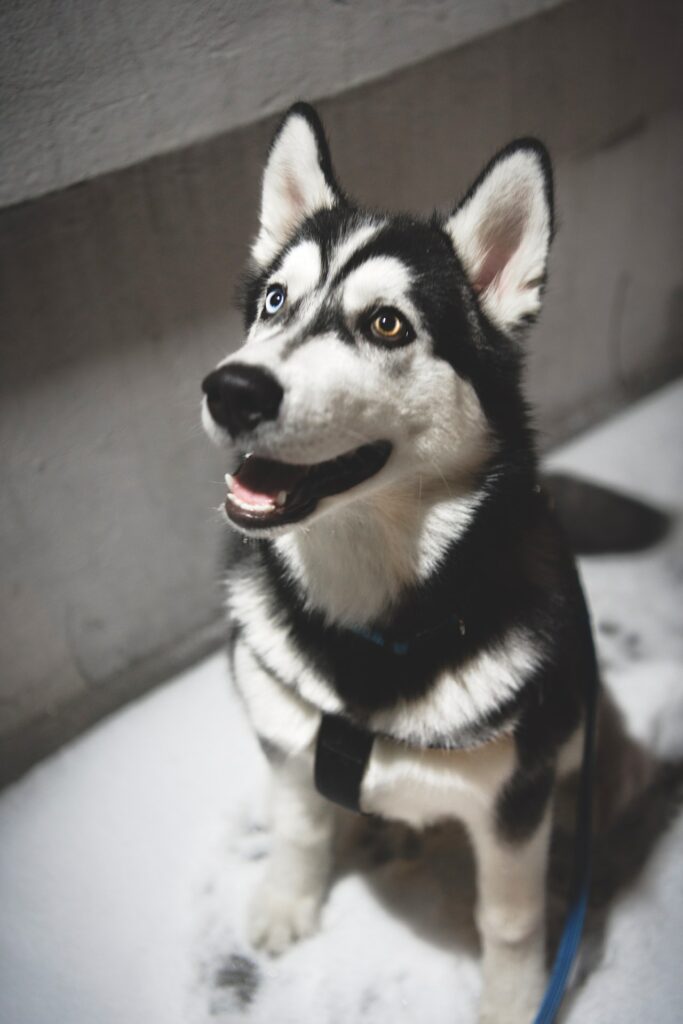
How to Spot the Signs of Pyothorax in Dogs
If you’re a dog owner, it’s important to be aware of the signs and symptoms of pyothorax so that you can seek veterinary attention immediately if you think your dog may have the condition. In this article, we’ll discuss what pyothorax is, how to spot the signs in dogs, and some potential health complications associated with the condition. So please keep reading for more information.
What is Pyothorax?
Pyothorax is an infection of the chest cavity (pleural space) between the lungs and chest wall. It occurs when bacteria, fungi, or other organisms enter the pleural space. A foreign object or injury may cause them or spread from elsewhere. Pyothorax can occur in cats and dogs.
Signs & Symptoms of Pyothorax in Dogs:
Pyothorax can cause a variety of symptoms depending on its severity. These may include fever, difficulty breathing due to reduced lung capacity, discharge from the nose or mouth, coughing or laboured breathing (dyspnea), decreased appetite, depression/lethargy, weight loss and a distended abdomen due to accumulation of fluid (ascites). The infection can sometimes spread to other organs, such as the heart and liver.
Causes of Pyothorax in Dogs:
The most common cause of pyothorax in dogs is an abscessed tooth root that has become infected and has spread into the chest cavity.
Other causes include:
- trauma from a puncture wound or surgery
- inhalation of an infectious organism
- breathing in an irritant; aspiration pneumonia
- fungal infections; cancerous growths
- foreign bodies such as sticks or grass awns
- ingestion of food contaminated with bacteria
- viruses spread through contact with saliva
- parasites such as heartworms or fleas
- certain medications.
Diagnosing Pyothorax in Dogs:
Diagnosing pyothorax in dogs requires X-rays and collecting samples from within the chest cavity for culture tests to identify which organism is causing the infection. Blood tests may also be done to check for signs of infection elsewhere in the body. The veterinarian will also look for any potential sources of infection, such as foreign bodies or penetration wounds, that could be responsible for introducing bacteria into the chest cavity.
Treatment Options for Pyothorax in Dogs:
The primary treatment for pyothorax involves surgically draining any fluid accumulated within the pleural cavity and administering antibiotics. Depending on the type of bacteria causing the infection, different antibiotics may need to be used. Surgery should also be done if any underlying causes, such as foreign bodies present, need to be removed. In some cases where surgical drainage/removal is not possible due to location/severity, alternative treatments such as ultrasound-guided needle aspiration may be used instead. Supportive care, including fluids and nutritional support, may be necessary while your dog recovers from this condition.
Preventing Pyothorax In Dogs:
There are several ways pet owners can help prevent their dogs from developing pyothorax:
- Make sure your dog’s vaccinations are up-to-date since many respiratory infections are passed through contact with saliva, so vaccination will help reduce their risk of coming into contact with these diseases
- Regularly check your dog’s teeth/gums since the dental disease can be one source of pyothorax if left untreated
- Keep your pet away from areas where they could come into contact with sharp objects/foreign bodies that could puncture their skin
- If your pet suffers any trauma, make sure you seek veterinary attention immediately
Tips For Caring For Your Dog During Treatment For Pyorthoarx:
- Make sure you keep up regular communication with your vet regarding your pets’ health and response to treatment
- Provide plenty of rest during treatment since this helps reduce inflammation around affected areas
- Offer smaller meals throughout the day rather than one large meal since this will help minimize stress on their body while fighting off infection
- Provide lots of love during the recovery period since this will provide emotional support when they’re feeling ill
- Monitor their behaviour closely – changes could indicate a worsening condition.
Conclusion:
Pyothyrax is a serious condition that affects both cats and dogs but can be treated effectively if caught early enough. Understanding what it is and how it’s treated can help ensure you get prompt attention should your pet ever fall victim to this ailment!
If you want to be sure your pet will have access to the best care if they ever fall victim to pyothorax or any other condition, consider getting them insured with furrr.co.uk! With their comprehensive cover and 24/7 customer support, you can rest easy knowing that should the worst happen, your four-legged friend.